About PleaJudge AI
Built to automate judicial workflows using AI without sacrificing Constitutional compliance.
Request A DemoOur Mission
Our mission is to bring affordable AI solutions to the vexing problem of time scarcity in courthouses across the country by automating quotidian rote judicial workflows.
PleaJudge AI is designed to return precious time to legal professionals by automating rote legal workflows into elegant machine-driven solutions.

Our Story
After over a decade in criminal courts around the country, I saw the problem first hand: so much time spent in court waiting for hearings to commence, so much time wasted by judges, attorneys, and litigants.
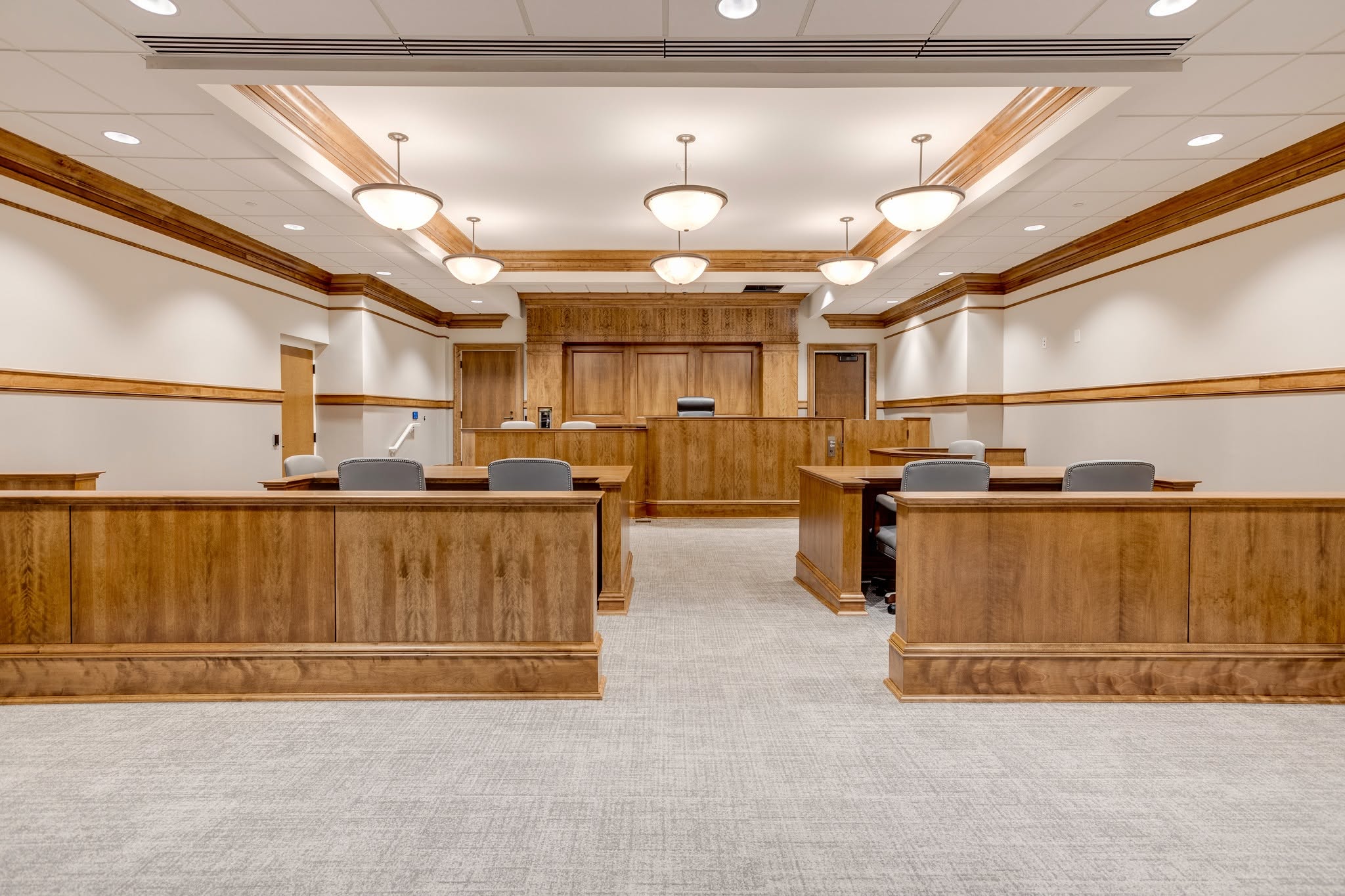
For more than a decade, I have stood in courtrooms waiting for my cases to be called. I watched the clock with clients seated beside me, some anxious, some angry, some resigned, while judges, prosecutors, defense attorneys, clerks, deputies, and witnesses all participate in the same peculiar ritual. We gather at eight-thirty a.m. We wait until ten. We wait until noon. Then, after hours of collective idleness, a case is called for a hearing that lasts less than three minutes. The script is almost always the same. The same words said, the same answers recorded. The next case called. Multiply that exchange by fifty, a hundred, two hundred cases every week in every courthouse across the country, and the amount of human time consumed becomes staggering. Thousands of hours are spent transporting inmates, coordinating law enforcement, assembling attorneys, pulling clerks away from other work, summoning victims, requiring employers to excuse workers, and asking defendants to miss another day of their lives, all to accomplish something that could often have been handled by an automated process.
No one seems to question it because this is simply how it has always been done. The irony is impossible to ignore. Courts constantly speak of crowded dockets, limited resources, overworked staff, and budget constraints. Yet every day those same courts orchestrate a system that guarantees inefficiency. It is not the substantive hearings that consume the calendar. Trials deserve time. Evidentiary motions deserve careful attention. Sentencing deserves deliberation. Justice is not supposed to be rushed. What deserves reconsideration are the countless appearances that accomplish little beyond confirming that everyone is still working toward the next hearing.
For the defendant, every unnecessary appearance carries a cost. An hourly worker loses wages. A parent scrambles to arrange childcare. Someone without reliable transportation spends hours getting to the courthouse for a proceeding measured in minutes. Those in custody endure another transport, another day in shackles, another interruption to jail operations.
The attorneys fare little better. Experienced lawyers spend entire mornings waiting to utter a handful of sentences. Prosecutors do the same. Judges cannot meaningfully devote attention to difficult legal issues because the calendar is clogged with procedural check-ins. Everyone stays busy, yet surprisingly little work is actually accomplished.
This is not efficiency disguised as tradition. It is tradition disguised as necessity.
The legal profession has embraced remarkable technological advances in research, filing, evidence management, and communication. During extraordinary circumstances, courts demonstrated they could conduct hearings remotely, exchange information electronically, and resolve routine matters without requiring every participant to occupy the same room at the same time.
Then, almost imperceptibly, many courts drifted back to familiar habits.
Perhaps there is comfort in routine. Perhaps there is concern that changing procedures risks diminishing the solemnity of the judicial process. But dignity is not measured by the number of hours people spend sitting on wooden benches waiting for their names to be called. Respect for the justice system grows when people's time is treated as valuable.
The law should be deliberate. It should never be careless. But deliberate does not have to mean inefficient.
After all these years, I remain convinced that the purpose of the courts is to resolve disputes fairly, not to preserve outdated procedures for their own sake. Routine matters could be handled electronically by AI. Hearings could occur with AI conducting them 24/7, rather than forcing dozens of lawyers and litigants into the same courtroom for an entire morning or afternoon. Judges would have more time for matters requiring judgment, and everyone else could spend their time actually preparing cases instead of waiting for them.
Experience has taught me many lessons. One of the clearest is that justice demands careful thought. It demands patience. It demands fairness.
It does not demand that everyone waste half a day to accomplish two minutes of work.
There has to be a better way.
We made PleaJudge AI to demonstrate the better way: an AI driven enterprise workflow automation system that conducts first appearances, conditions of release hearings, bond hearings, pretrial conferences, discovery and plea offer exchange and plea hearings.
What We Value
Time
Time is the scarcest resource. PleaJudge AI is designed to save millions of hours in legal professional time.
Efficiency
PleaJudge AI conducts hearings in the most efficient manner possible.
Convenience
PleaJudge AI allows you to conduct court hearings without having to go to the courthouse. You can conveniently access PleaJudge AI anywhere and court hearings can be conducted 24 hours a day.
Access to Justice
Faster, more efficient hearings mean fewer missed court hearings, less time in custody for defendants, more time for legal professionals to do substantive work and better, less rushed, justice.